Male fertility is influenced by several factors, including age, lifestyle, stress, sleep, environmental toxins, and most importantly—diet. While many men focus on protein intake and gym routines, they often overlook foods that may silently affect sperm health.
Research suggests that certain dietary habits may contribute to lower sperm count, poor sperm motility, abnormal sperm morphology, hormonal imbalance, and increased oxidative stress, all of which can reduce the chances of natural conception.
The good news is that sperm are continuously produced, and healthier lifestyle choices can often improve sperm quality over time. Since a complete sperm production cycle takes approximately 74–90 days, positive dietary changes made today may improve fertility in the coming months.
In this guide, fertility experts at Mother Divine Fertility explain five foods that may negatively impact male fertility, why they matter, and what healthier alternatives you can choose.
Which Foods Can Reduce Male Fertility?
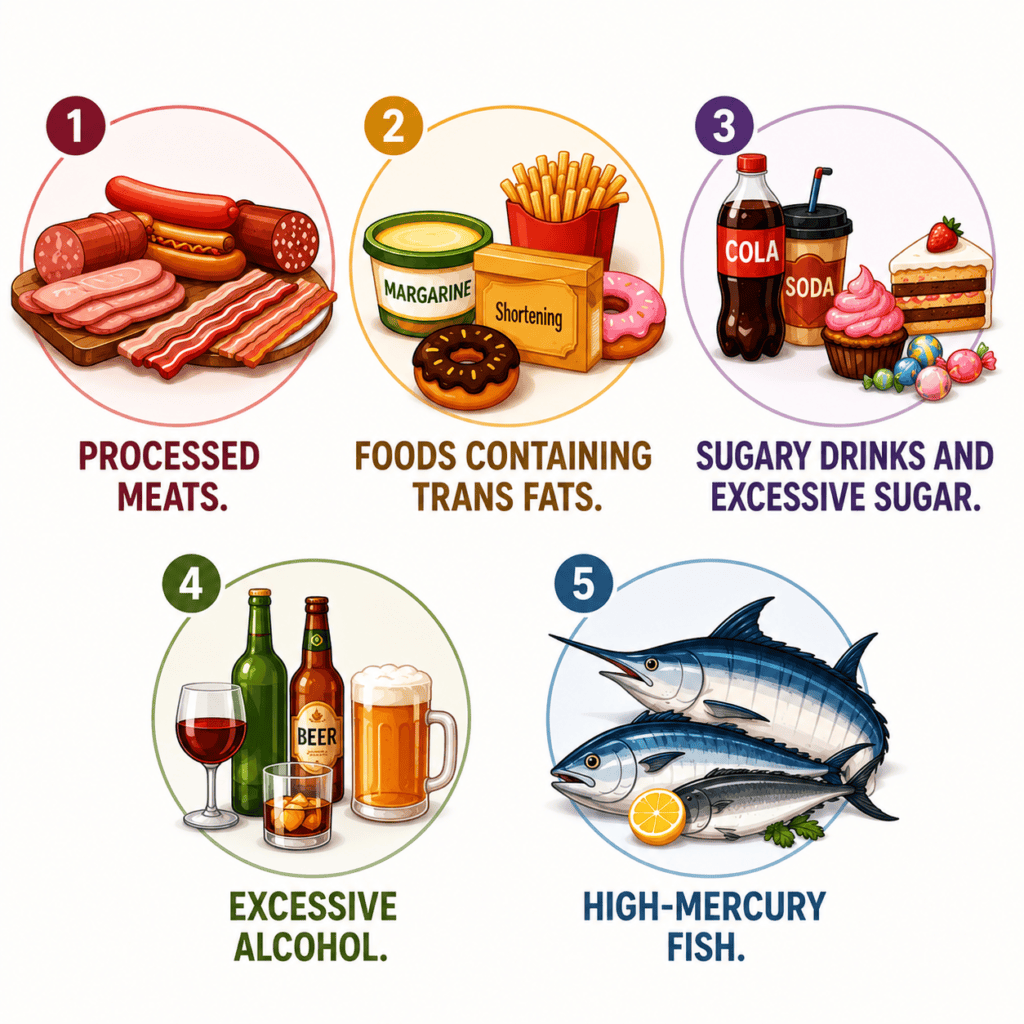
Some foods that may negatively affect male fertility include:
- Processed meats.
- Foods containing trans fats.
- Sugary drinks and excessive sugar.
- Excessive alcohol.
- High-mercury fish.
These foods may contribute to lower sperm count, reduced sperm motility, increased oxidative stress, hormonal imbalance, and poorer sperm quality. Replacing them with a nutrient-rich diet, regular exercise, and healthy lifestyle habits can help improve sperm health naturally.
Why Diet Matters for Male Fertility
Healthy sperm require a continuous supply of nutrients including:
- Zinc
- Selenium
- Vitamin C
- Vitamin E
- Folate
- Omega-3 fatty acids
- Coenzyme Q10
- Protein
- Antioxidants
Poor dietary habits can increase inflammation and oxidative stress, which damage sperm DNA and reduce their ability to fertilize an egg.
A healthy male fertility diet supports:
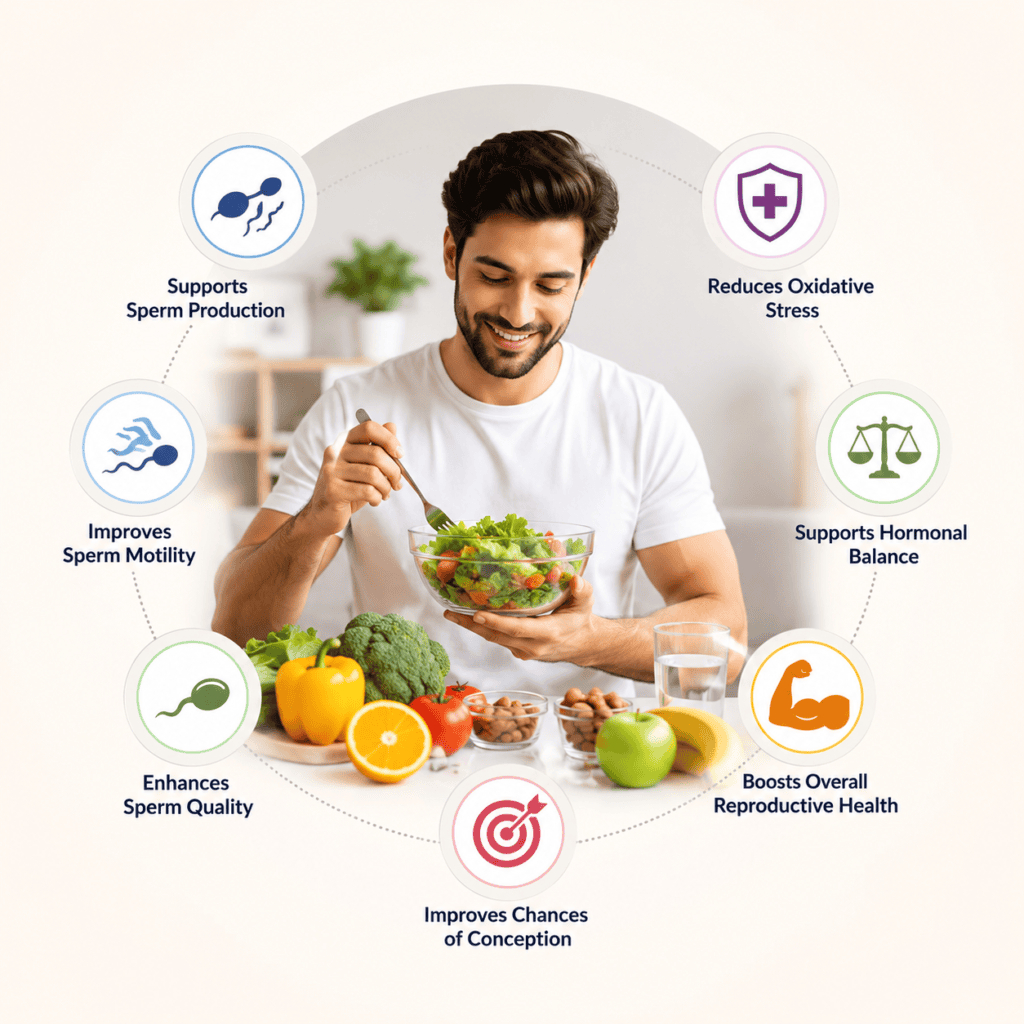
- Better sperm production
- Improved sperm motility
- Healthy sperm morphology
- Balanced testosterone levels
- Better reproductive health
1. Processed Meats
Why They're Harmful
Processed meats such as:
- Sausages
- Bacon
- Salami
- Hot dogs
- Packaged deli meats
often contain:
- Preservatives
- Sodium
- Saturated fat
- Nitrates and nitrites
Several observational studies have linked higher processed meat intake with poorer semen quality and reduced sperm morphology.
These foods may increase inflammation and oxidative stress, both of which can impair sperm production.
Better Choices
Instead of processed meat, choose:
- Fresh chicken
- Fish
- Eggs
- Lentils
- Beans
- Paneer
- Tofu
These provide high-quality protein without excessive preservatives.
2. Foods High in Trans Fats
Why Trans Fats Affect Fertility
Trans fats are among the most harmful fats for overall health and reproductive function.
Common sources include:
- Deep-fried fast food
- Packaged snacks
- Commercial baked goods
- Cream-filled biscuits
- Margarine
- Some frozen foods
Research has shown that higher intake of trans fats is associated with:
- Reduced sperm concentration
- Lower sperm count
- Increased inflammation
- Hormonal imbalance
Trans fats may also interfere with healthy testosterone production.
Healthier Alternatives
Choose healthy fats instead:
- Nuts
- Seeds
- Olive oil
- Avocados
- Walnuts
- Flaxseeds
These foods contain healthy fats that support sperm cell membranes and reproductive hormones.
3. Sugary Drinks and Excess Sugar
Can Sugar Reduce Sperm Quality?
Yes. Excess sugar intake may negatively affect fertility by increasing:
- Insulin resistance
- Obesity
- Oxidative stress
- Hormonal imbalance
Soft drinks, energy drinks, packaged juices, sweetened coffee beverages, and desserts provide excessive added sugar with little nutritional value.
Some studies have found that men who consume large amounts of sugary beverages tend to have lower sperm motility.
Better Beverage Choices
Drink:
- Water
- Coconut water
- Fresh lemon water
- Unsweetened milk
- Homemade smoothies
- Fresh fruit (instead of juice)
Reducing sugar also supports healthy body weight, which is important for fertility.
4. Excessive Alcohol
Alcohol and Male Fertility
Occasional alcohol intake may not significantly affect fertility in healthy individuals, but heavy or chronic alcohol consumption can reduce reproductive function.
Excess alcohol may lead to:
- Lower testosterone
- Reduced sperm production
- Poor sperm motility
- Abnormal sperm morphology
- Erectile dysfunction
- Hormonal disturbances
Alcohol also increases oxidative stress and may interfere with nutrient absorption.
Better Choice
If you're planning pregnancy, limiting or avoiding alcohol for at least three months before trying to conceive is generally advisable.
5. High-Mercury Fish
Not All Fish Are Equal
Fish provides healthy omega-3 fatty acids that support fertility.
However, some large predatory fish accumulate higher levels of mercury.
Examples include:
- Shark
- Swordfish
- King mackerel
- Tilefish
High mercury exposure may negatively affect:
- Sperm production
- DNA integrity
- Hormonal function
Better Fish Choices
Choose lower-mercury options like:
- Salmon
- Sardines
- Trout
- Anchovies
These provide beneficial omega-3 fats with lower mercury exposure.
Other Foods to Limit When Trying to Conceive
Although occasional intake is unlikely to cause infertility, it's wise to reduce:
Ultra-Processed Foods
Often high in:
- Salt
- Sugar
- Refined carbohydrates
- Artificial additives
Fast Food
Frequent fast-food consumption is associated with poorer diet quality and may contribute to obesity and metabolic disorders.
Excessive Caffeine
Moderate caffeine intake is generally considered safe, but excessive consumption from multiple energy drinks and coffee beverages should be avoided.
Foods That Help Improve Male Fertility Naturally
A healthy diet plays an important role in supporting male fertility. Instead of focusing only on foods to avoid, make fertility-friendly foods a regular part of your daily meals. These nutrient-rich foods provide antioxidants, vitamins, minerals, healthy fats, and protein that help protect sperm from damage and support healthy sperm production.
Fruits
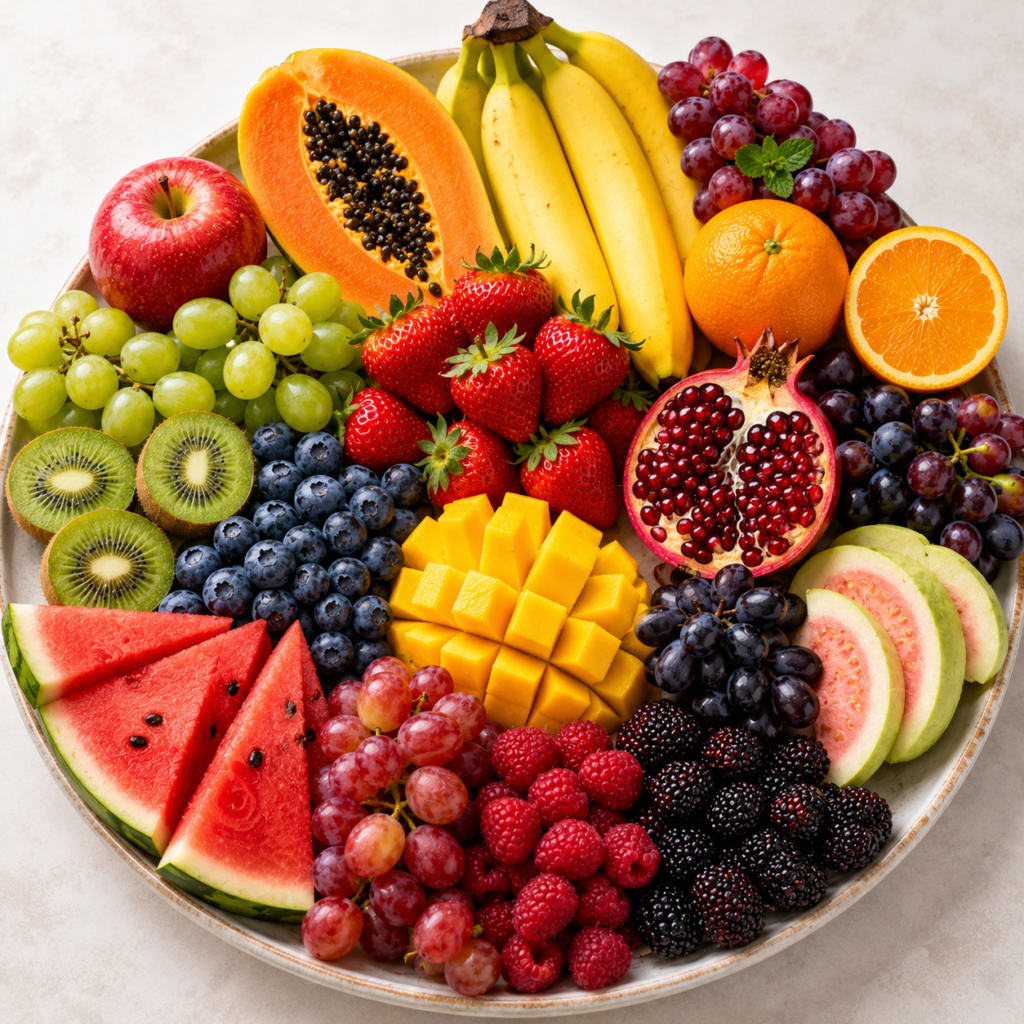
- Oranges
- Berries
- Kiwi
- Pomegranate
Why they're beneficial: Rich in antioxidants, vitamin C, and other nutrients that help reduce oxidative stress, improve sperm motility, and protect sperm DNA.
Vegetables
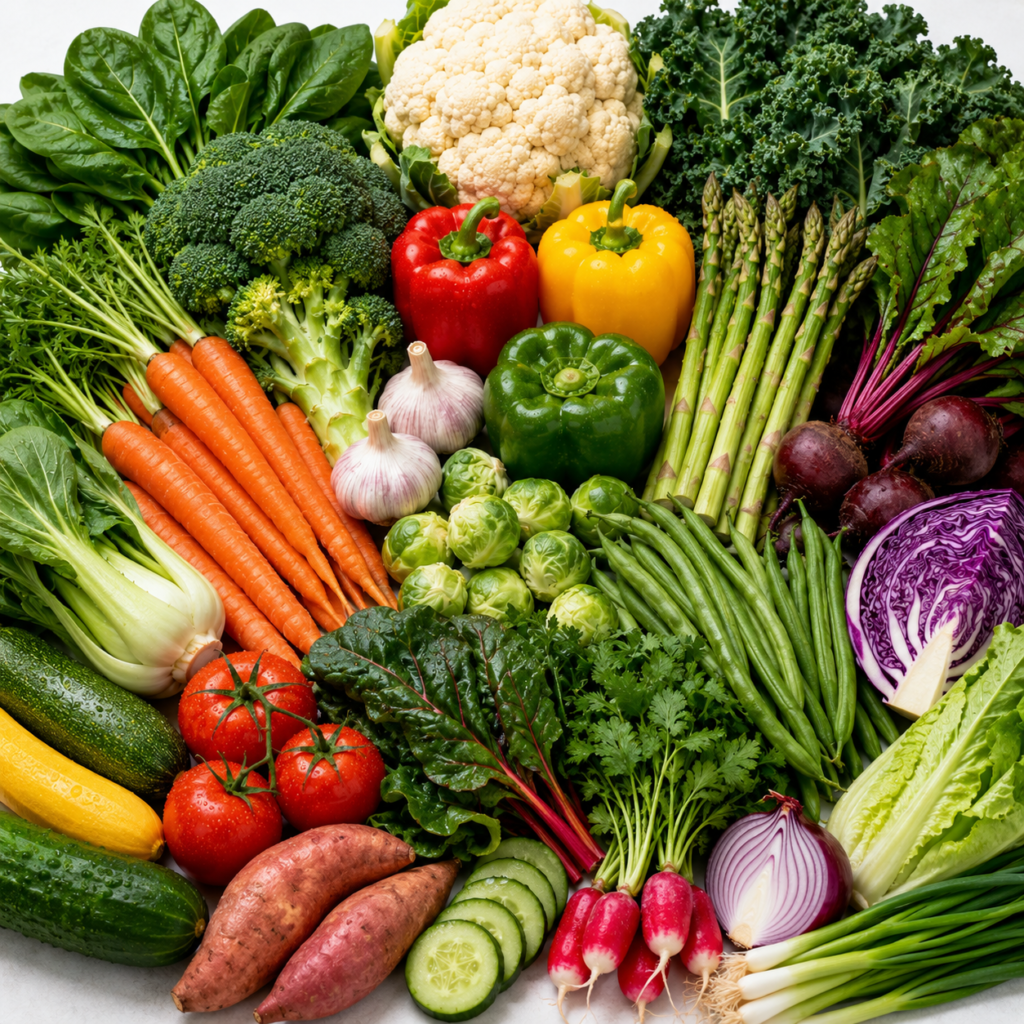
- Spinach
- Broccoli
- Kale
- Carrots
Why they're beneficial: Packed with folate, vitamins A, C, E, and antioxidants that support hormone balance, healthy sperm development, and overall reproductive health.
Nuts and Seeds
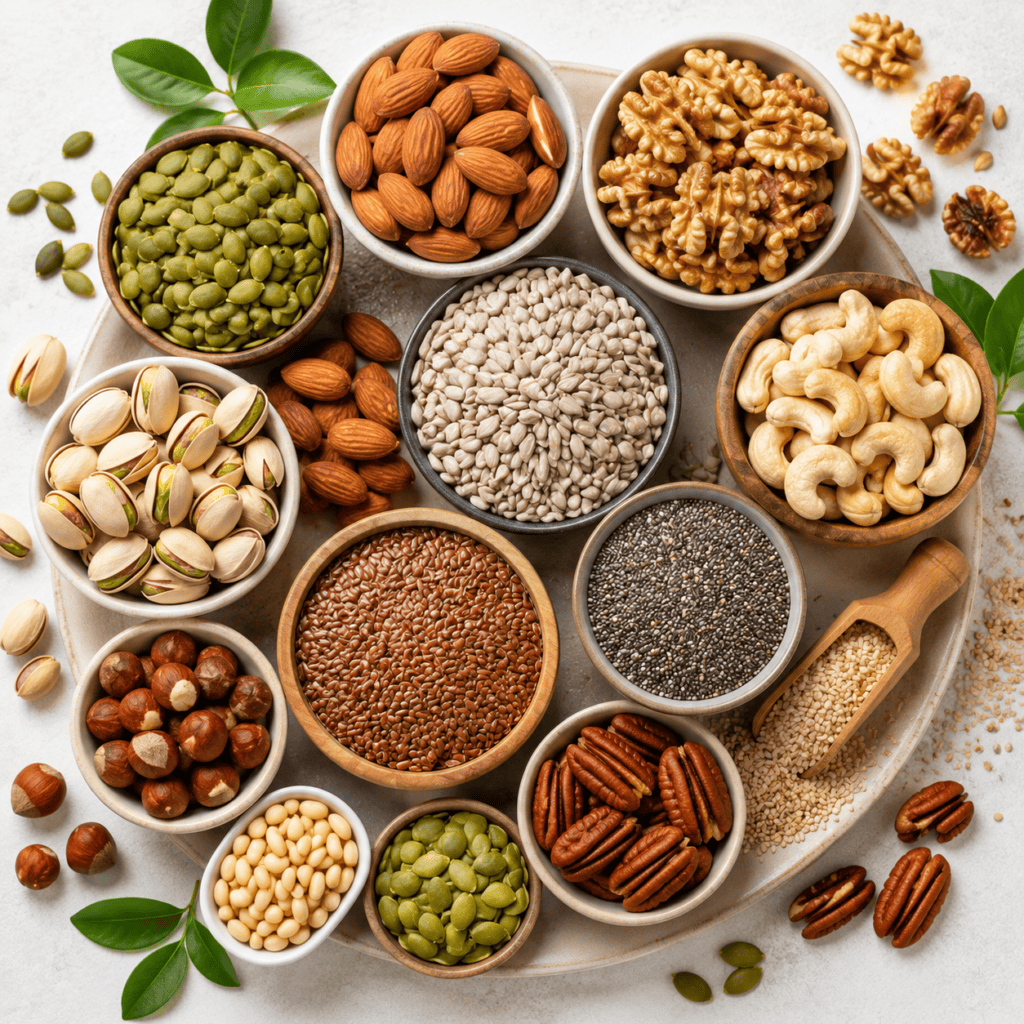
- Walnuts
- Pumpkin seeds
- Almonds
- Sunflower seeds
Why they're beneficial: Excellent sources of zinc, selenium, omega-3 fatty acids, and vitamin E, which are linked to improved sperm count, motility, and morphology.
Whole Grains
Choose:
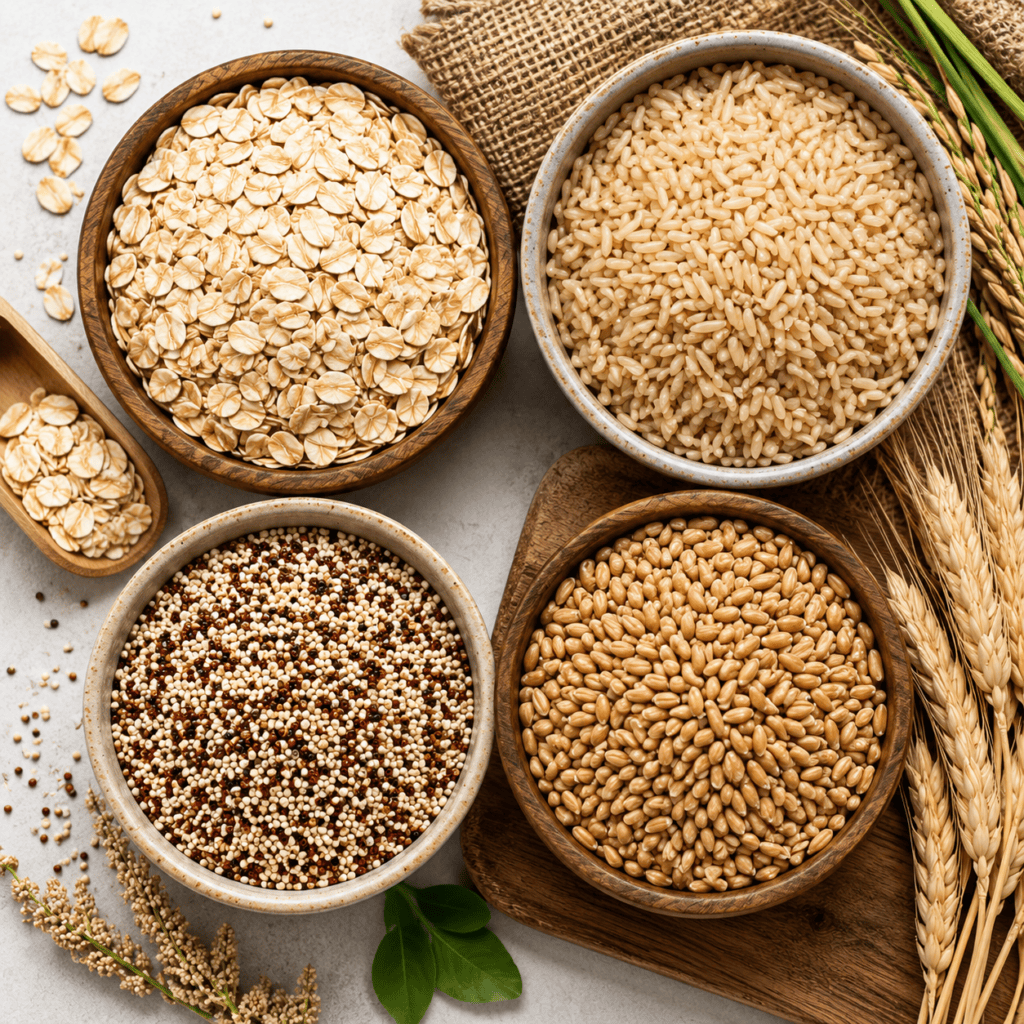
- Oats
- Brown rice
- Quinoa
- Whole wheat
Why they're beneficial: Provide complex carbohydrates, fiber, and essential nutrients that help maintain stable blood sugar levels and support overall hormonal health.
Protein Sources
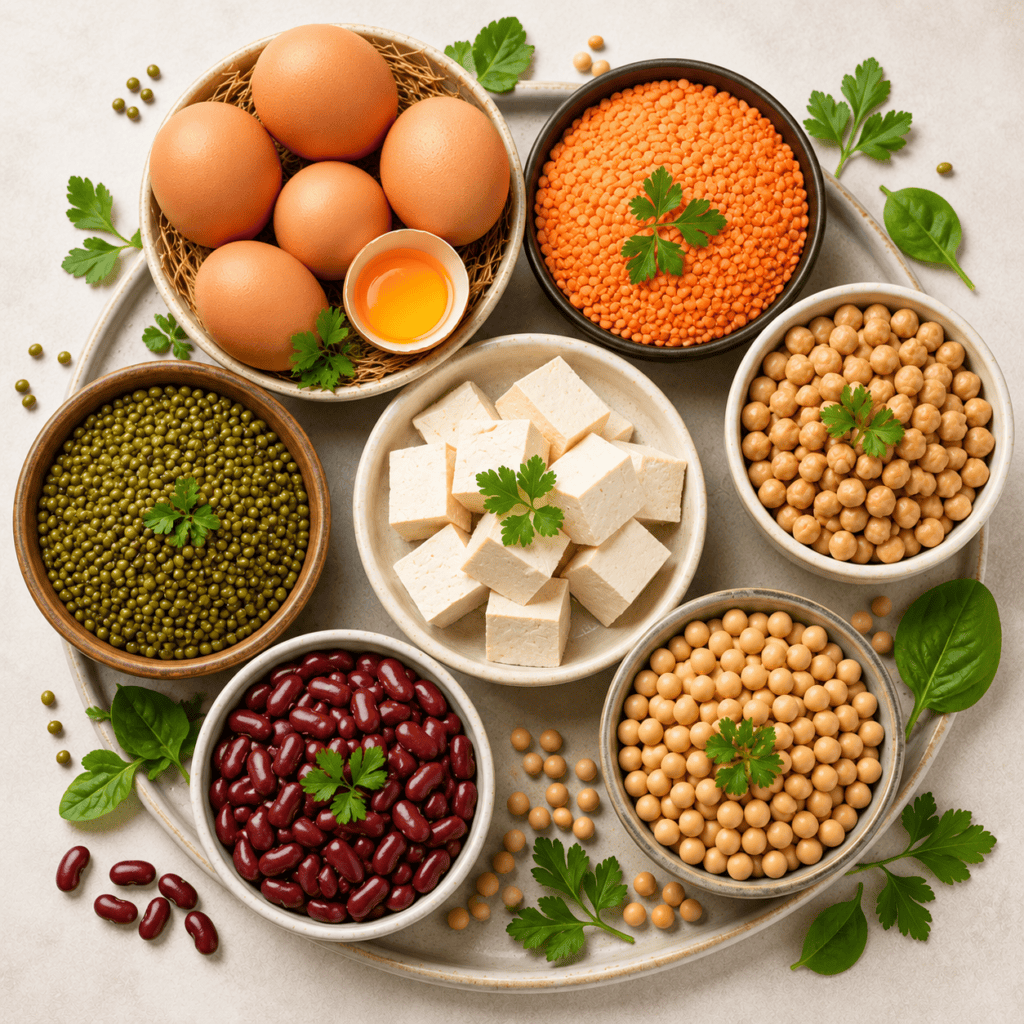
- Eggs
- Fish
- Chicken
- Lentils
- Beans
- Soy products
Why they're beneficial: Supply high-quality protein and essential amino acids needed for sperm production, tissue repair, and healthy reproductive function.
Lifestyle Habits That Also Improve Male Fertility
Diet works best when combined with healthy lifestyle choices.
Maintain a Healthy Weight: Obesity is associated with lower testosterone and reduced sperm quality.
Exercise Regularly: Aim for at least 150 minutes of moderate exercise weekly. Avoid excessive overtraining.
Sleep Well: Poor sleep affects hormone production and testosterone levels. Aim for 7–9 hours of quality sleep.
Stop Smoking: Smoking is consistently associated with poorer semen quality and increased DNA damage.
Manage Stress: Chronic stress may affect hormone balance and reproductive function. Practice:
- Meditation
- Yoga
- Walking
- Deep breathing
When Should You See a Fertility Specialist?
Consult a fertility expert if:
- You've been trying to conceive for over one year (or six months if the female partner is over 35).
- You have a history of low sperm count.
- Previous semen analysis showed abnormalities.
- You have erectile or ejaculation problems.
- You have a history of undescended testes, infections, or varicocele.
- Your partner has experienced repeated IVF or IUI failure.
Early evaluation can identify treatable causes and improve your chances of conception.
How Mother Divine Fertility Can Help
At Mother Divine Fertility, Delhi, our fertility specialists provide comprehensive male fertility evaluation and evidence-based treatment plans.
Our services include:
- Semen analysis
- Male infertility assessment
- Lifestyle and nutrition counselling
- Hormonal evaluation
- Advanced fertility treatments
- IUI
- IVF
- ICSI
- Personalized fertility care for couples
Every treatment plan is tailored to the individual's medical history and fertility goals.
Frequently Asked Questions (FAQs)
Q: Which food reduces sperm count the most?
A: There is no single food proven to directly cause infertility. However, diets high in processed meats, trans fats, excessive sugar, and alcohol have been associated with poorer semen quality in research studies.
Q: Can changing my diet improve sperm quality?
A: Yes. A balanced diet rich in antioxidants, healthy fats, lean protein, fruits, vegetables, and whole grains may improve sperm quality over approximately 2–3 months, alongside other healthy lifestyle changes.
Q: How long does it take to improve sperm health?
A: Because sperm production takes around 74–90 days, noticeable improvements may take about three months after adopting healthier habits.
Q: Are eggs good for male fertility?
A: Yes. Eggs provide high-quality protein, vitamin D, choline, and other nutrients that support reproductive health when consumed as part of a balanced diet.
Q: Should I stop eating all processed foods?
A: Not necessarily. Occasional consumption is unlikely to have a major impact, but limiting highly processed foods and maintaining an overall healthy dietary pattern is recommended.
Q: Does diet alone cure male infertility?
A: No. Male infertility can result from hormonal disorders, genetic conditions, infections, varicocele, or other medical issues. Diet supports reproductive health but does not replace proper medical evaluation and treatment.
Final Thoughts
A healthy diet plays an important role in supporting male fertility. While no single food causes infertility, regularly consuming processed meats, trans fats, sugary drinks, excessive alcohol, and high-mercury fish may negatively affect sperm count, motility, morphology, and overall reproductive health.
The encouraging news is that sperm health can often improve with healthier eating habits, regular exercise, adequate sleep, stress management, and timely medical care. If you and your partner are facing difficulty conceiving, a comprehensive fertility evaluation can help identify the underlying cause and guide appropriate treatment.
Book Your Free Fertility Consultation
If you're concerned about your fertility or planning for pregnancy, the specialists at Mother Divine Fertility are here to help.
📞 Book your FREE consultation today: +91 9311988500
Our experienced fertility team offers comprehensive male fertility evaluation, advanced diagnostic testing, personalized treatment plans, and compassionate care to help couples achieve their dream of parenthood.