
Trying to conceive but not getting the desired result can be emotionally challenging. While fertility is often associated with women, male fertility plays an equal role in achieving pregnancy. Low sperm count is a very common cause of male infertility. But did you know that having a poor sperm count does not mean you can’t become a father. Many couples have conceived naturally, while others have successfully achieved pregnancy with the help of assisted reproductive technologies and medical treatments.
Understanding low sperm count causes, symptoms, diagnosis, and treatment options can help you take the right steps toward improving fertility.
What Is Low Sperm Count (Oligospermia)?
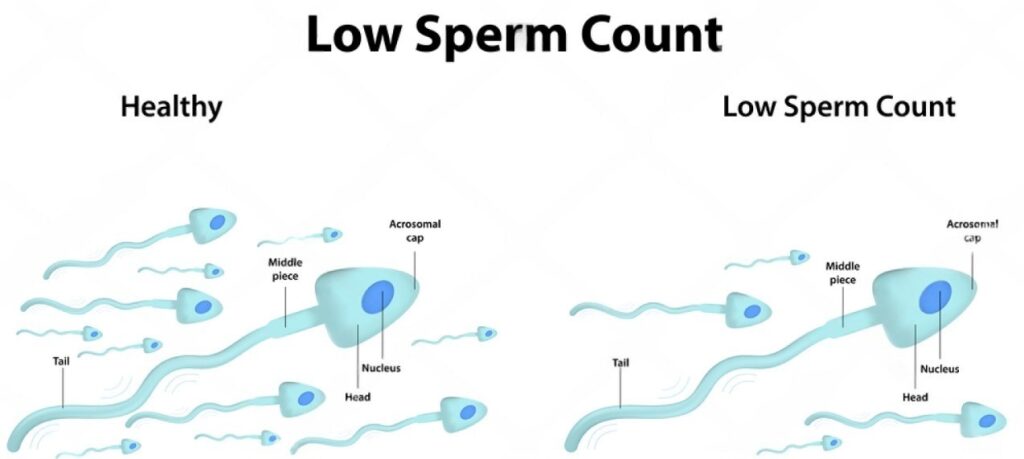
Poor sperm count, medically known as oligospermia, means your semen contains fewer sperm than normal.
According to the World Health Organization (WHO), a normal sperm concentration is generally:
| Sperm Count | Interpretation |
| More than 15 million sperm/ml | Normal |
| Less than 15 million sperm/ml | Low sperm count |
| No sperm present | Azoospermia |
A lower sperm count reduces the chances of sperm reaching and fertilizing an egg. However, many men with poor sperm count still become fathers naturally.
How Does Low Sperm Count Affect Fertility?
Pregnancy happens when a healthy sperm successfully fertilizes a healthy egg.
A lower number of sperm means:
- Fewer sperm reach the egg.
- Fertilization becomes less likely.
- Pregnancy may take longer.
- Fertility treatments may sometimes be needed.
It is important to remember that sperm count is only one part of male fertility.
Doctors also evaluate:
- Sperm motility (movement).
- Sperm morphology (shape).
- Semen volume.
- Overall sperm health.
Symptoms of Oligospermia
Most men do not notice any symptoms.
The most common sign is:
- Difficulty achieving pregnancy despite regular unprotected intercourse.
Some men may also experience:
- Low sex drive
- Erectile dysfunction
- Pain or swelling in the testicles
- Reduced facial or body hair
- Hormonal imbalance symptoms
- Previous history of testicular injury
Many men discover they have a poor sperm count only after undergoing a semen analysis.
What Causes Low Sperm Count?
Many medical and lifestyle factors can reduce sperm production.
Medical Causes
- Varicocele (enlarged veins in the scrotum)
- Hormonal disorders
- Testicular infections
- Mumps after puberty
- Undescended testicles
- Previous surgery
- Genetic conditions
- Diabetes
- Autoimmune disorders
Lifestyle Causes
Poor daily habits often affect sperm production.
Common causes include:
- Smoking
- Heavy alcohol consumption
- Recreational drug use
- Obesity
- Lack of exercise
- Poor diet
- Chronic stress
- Sleep deprivation
Environmental Causes
Exposure to harmful substances may damage sperm.
Examples include:
- Pesticides
- Industrial chemicals
- Heavy metals
- Radiation
- Excessive heat exposure
- Frequent hot tubs or saunas
Medications That May Affect Sperm Count
Certain medicines can temporarily or permanently reduce sperm production.
These include:
- Testosterone supplements
- Anabolic steroids
- Chemotherapy drugs
- Some antibiotics
- Certain blood pressure medications
- Cancer treatments
Never stop medication without consulting your doctor.
Risk Factors for Poor Sperm Count

You may have a higher risk if you:
- Smoke regularly
- Drink excessive alcohol
- Use anabolic steroids
- Are overweight
- Have diabetes
- Have a history of testicular injury
- Have undergone chemotherapy
- Have untreated infections
- Have hormonal disorders
- Work around industrial chemicals
When Should You See a Fertility Specialist?
Consult a fertility expert if:
- You have been trying to conceive for 12 months without success.
- Your partner is over 35 years of age and pregnancy has not occurred after 6 months.
- You have a history of testicular surgery.
- You have erectile dysfunction.
- You have had mumps after puberty.
- You notice pain or swelling in your testicles.
Early evaluation often improves treatment outcomes.
How Is Oligospermia Diagnosed?
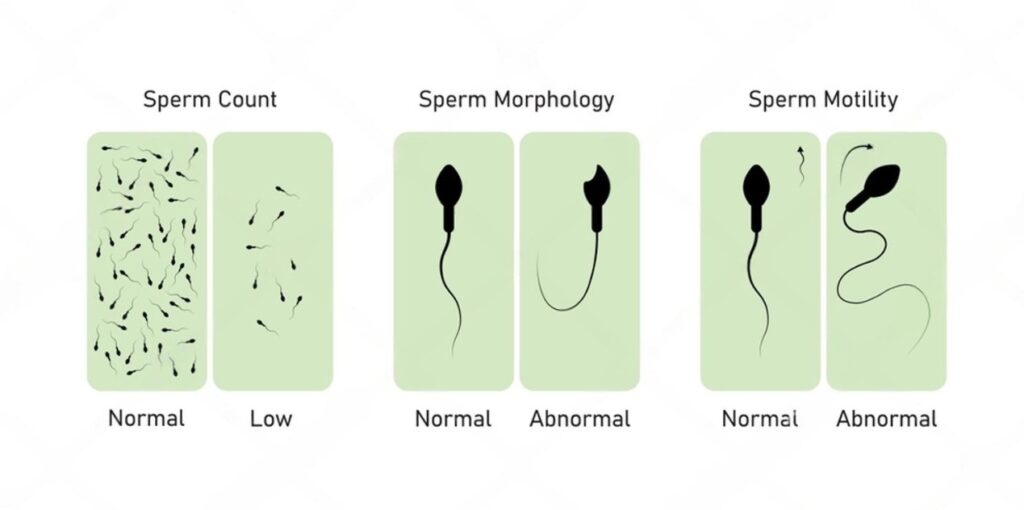
The first and most important test is a semen analysis.
Doctors usually recommend:
- 2 semen tests
- Around 2–3 months apart
- Since sperm production takes approximately 74 days
Semen Analysis Checks
The laboratory measures:
| Parameter | Why It Matters |
| Sperm count | Number of sperm |
| Sperm motility | Ability to swim |
| Sperm morphology | Shape of sperm |
| Semen volume | Quantity of semen |
| pH | Semen quality |
| White blood cells | Signs of infection |
Additional Tests
Depending on your results, your doctor may recommend:
- Blood hormone tests
- Ultrasound of the scrotum
- Genetic testing
- Urine examination
- DNA fragmentation test
- Testicular biopsy (selected cases)
Low Sperm Count vs High Sperm Count
Many people believe that a higher sperm count always means better fertility.
That is not entirely true.
| Low Sperm Count | High Sperm Count |
| Fewer sperm are available for fertilization | More sperm are present |
| Pregnancy may take longer | Pregnancy chances may improve if sperm are healthy |
| May require treatment | Usually normal if sperm quality is good |
| Other sperm parameters also matter | Count alone does not guarantee fertility |
Healthy sperm quality is more important than numbers alone.
Can You Get Pregnant with a Low Sperm Count?
Yes, Many couples conceive naturally despite a poor sperm count.
The chances depend on:
- How low the sperm count is
- Sperm motility
- Sperm morphology
- Female partner's age
- Female fertility
- Frequency of intercourse
If pregnancy does not occur naturally, fertility treatments can significantly improve success rates.
How to Improve Low Sperm Count Naturally
Lifestyle changes may help improve sperm production over time.
Maintain a Healthy Weight
Obesity can reduce testosterone levels and sperm production.
Aim for:
- Regular exercise
- Balanced nutrition
- Healthy BMI
Quit Smoking
Smoking damages sperm DNA and lowers sperm quality.
Stopping smoking may improve fertility over several months.
Reduce Alcohol Intake
Heavy alcohol consumption affects hormone production and sperm health.
Limit alcohol according to medical recommendations.
Eat a Fertility-Friendly Diet
Include foods rich in:
- Zinc
- Selenium
- Vitamin C
- Vitamin E
- Omega-3 fatty acids
- Folate
- Protein
Healthy food choices include:
- Eggs
- Fish
- Walnuts
- Pumpkin seeds
- Citrus fruits
- Spinach
- Fresh vegetables
- Whole grains
Exercise Regularly
Moderate exercise helps:
- Improve hormone balance
- Reduce stress
- Support healthy weight
Avoid excessive bodybuilding with anabolic steroids.
Manage Stress
Long-term stress affects reproductive hormones.
Helpful strategies include:
- Meditation
- Walking
- Yoga
- Deep breathing
- Quality sleep
Avoid Heat Exposure
High temperatures can temporarily reduce sperm production.
Try to:
- Wear loose-fitting underwear
- Limit hot tubs
- Avoid prolonged laptop use directly on your lap
Medical Treatment for Poor Sperm Count
Treatment depends on the underlying cause.
Your fertility specialist may recommend:
Medications
Used to treat:
- Hormonal imbalance
- Infections
- Ejaculatory disorders
Varicocele Surgery
Repairing a varicocele may improve sperm count in selected patients.
Hormonal Therapy
Recommended when hormonal deficiencies affect sperm production.
Assisted Reproductive Techniques
If natural conception is difficult, fertility treatments may help.
Intrauterine Insemination (IUI)
Specially prepared sperm are placed directly inside the uterus.
Best suited for:
- Mild poor sperm count
- Mild motility issues
In Vitro Fertilization (IVF)
Eggs are fertilized with sperm in a laboratory.
Suitable for:
- Moderate male infertility
- Female fertility problems
- Long-standing infertility
Intracytoplasmic Sperm Injection (ICSI)
ICSI involves injecting a single healthy sperm directly into an egg.
It is one of the most successful treatments for severe male factor infertility, including very poor sperm count or poor sperm motility.
Donor Sperm
In rare situations where no viable sperm are available, donor sperm may be discussed as an option.
Can Poor Sperm Count Be Prevented?
Not every case can be prevented.
However, these habits support better reproductive health:
- Eat a nutritious diet.
- Maintain a healthy weight.
- Avoid smoking.
- Limit alcohol.
- Avoid recreational drugs.
- Get enough sleep.
- Exercise regularly.
- Protect the testicles from injury.
- Avoid unnecessary heat exposure.
- Seek medical care for infections promptly.
Common Myths About Poor Sperm Count (Oligospermia)
| Myth | Fact |
| Oligospermia means infertility | Many men still father children naturally |
| More sperm always means better fertility | Sperm quality is equally important |
| Only older men develop poor sperm count | It can occur at any age |
| Supplements alone cure poor sperm count | Treatment depends on the underlying cause |
| IVF is always required | Many couples conceive naturally or with simpler treatments |
Frequently Asked Questions (FAQs)
Q: How long does it take to improve sperm count?
A: Sperm production takes around 2–3 months, so improvements from lifestyle changes or treatment are usually seen after this period.
Q: Can stress reduce sperm count?
A: Yes. Chronic stress can affect hormones involved in sperm production and may reduce sperm quality.
Q: Is 70% Sperm Motility Normal?
A: Yes, a sperm motility of 70% is considered very good. Sperm motility refers to how well sperm moves toward the egg.
Q: Does age affect sperm count?
A: Yes. Although men remain fertile longer than women, sperm quality, DNA integrity, and fertility may gradually decline with age.
Q: Which foods help increase sperm count?
A: Foods rich in antioxidants, zinc, selenium, omega-3 fatty acids, folate, and vitamins C and E may support healthy sperm production as part of a balanced diet.
Q: Is poor sperm count permanent?
A: Not always. Some cases improve with lifestyle changes, treatment of underlying medical conditions, or surgery. Others may require assisted reproductive techniques.
When Should You Consider Fertility Treatment?
You should consult a fertility specialist if:
- You have been trying to conceive for more than one year.
- Your partner is over 35 and pregnancy has not occurred after six months.
- Your semen analysis is abnormal.
- You have known male fertility issues.
- You have experienced repeated pregnancy loss with your partner.
Early evaluation can help identify treatable causes and improve the chances of a successful pregnancy.
Conclusion
A diagnosis of poor sperm count can feel overwhelming, but it is not the end of your parenthood journey. Many men with Oligospermia go on to become fathers—either naturally or with the help of fertility treatments such as IUI, IVF, or ICSI.
The key is to seek timely evaluation, understand the underlying cause, and follow a personalized treatment plan. Simple lifestyle changes, medical care, and advances in reproductive medicine have helped millions of couples achieve successful pregnancies.
If you and your partner have been trying to conceive without success, don't delay a fertility assessment. Early diagnosis often leads to better treatment options and improved outcomes.